Back to Journal
The Art of Tableside Grating: Why Fresh Salt Transforms the Dining Experience
## More Than Seasoning: A Ritual
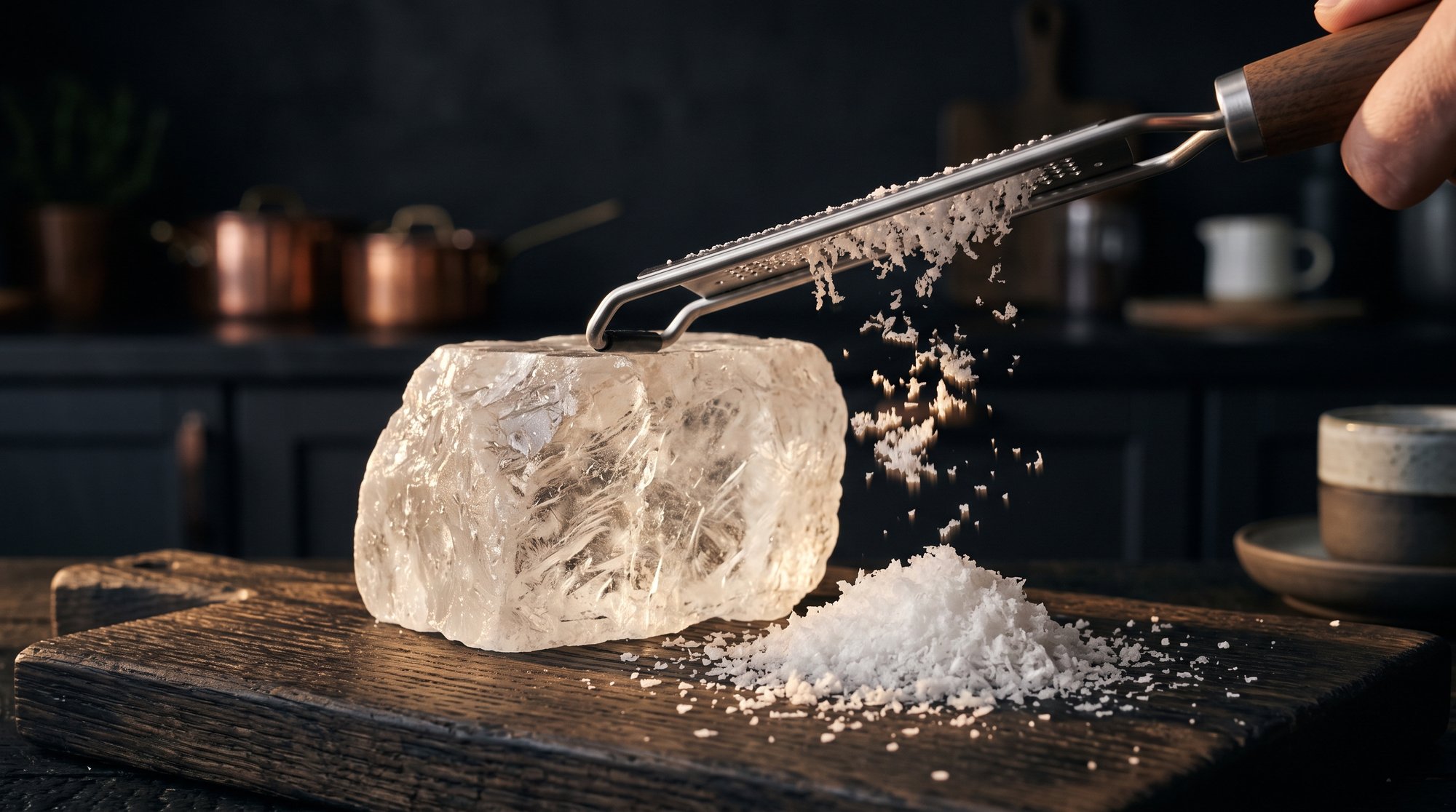
Watch a skilled chef or sommelier grate fresh salt over a finished dish, and you'll notice something beyond mere seasoning. There's theatre in the gesture—a deliberate pause that draws the eye and builds anticipation. The soft rasp of crystal against metal. The delicate snow of mineral flakes settling onto the food. This is dining transformed into experience.
But tableside grating isn't merely performative. There's genuine culinary wisdom behind the practice, rooted in how salt behaves at the molecular level and how we perceive flavour.
## The Science of Fresh-Grated Salt
Salt crystals begin changing the moment they're exposed to air. Humidity causes them to absorb moisture, which can dull their sharp edges and alter their texture. Pre-ground salt, even from the finest sources, has been oxidising and absorbing ambient moisture from the moment it was processed.
Grating salt fresh—directly from a solid block—delivers crystals at their most pristine. The newly exposed surfaces are sharp and dry, creating that distinctive bright crunch when they meet your palate. This textural contrast is impossible to achieve with pre-ground alternatives that have softened during storage.
The flavour release differs too. Fresh-grated crystals dissolve on the tongue in a controlled burst, delivering salinity precisely where and when you want it. Pre-ground salt, with its higher surface-area-to-volume ratio, often dissolves too quickly, creating an initial spike followed by flatness.
## The Visual Element
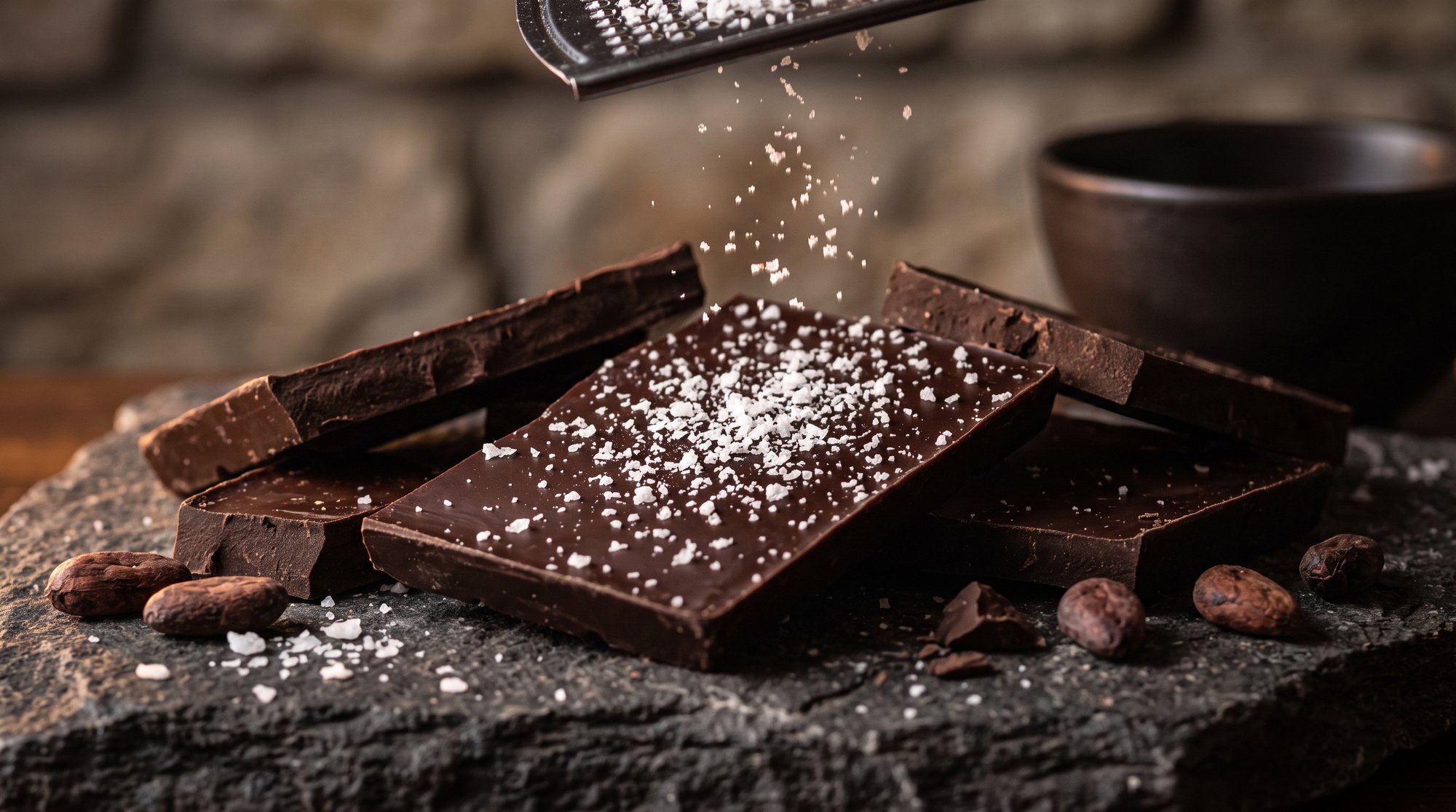
There's an undeniable visual appeal to watching salt crystals cascade onto food. The white-grey Carpathian salt we source presents beautifully against both light and dark dishes—a gentle frost on seared beef, a mineral sparkle on chocolate desserts, a finishing touch on fresh salads.
This visual dimension matters more than we might admit. Research consistently shows that presentation affects perceived taste. When diners watch their food being seasoned with care and attention, they approach that first bite with heightened anticipation. The meal becomes an event rather than mere sustenance.
## Restaurant Wisdom at Home
Fine dining establishments have long understood tableside service as a way to elevate the guest experience. From carved roasts to flambéed desserts, the best restaurants recognise that involving diners in the final moments of preparation creates connection and engagement.
Salt grating fits perfectly into this tradition. It's simple enough to perform confidently, dramatic enough to capture attention, and genuinely functional in its culinary purpose. The Founder's Edition brings this restaurant practice home, complete with a handcrafted grater designed specifically for our salt blocks.
## Creating Your Own Ritual
You don't need formal training to grate salt with style. Hold the block firmly in one hand, the grater in the other, and work with slow, deliberate strokes. Position yourself where your guests can watch. Let the crystals fall from a slight height—the gentle drift adds to the visual effect.
Consider the moment: after plating but before serving, when the food is at its peak and all eyes are on the dish. A few strokes of fresh salt, applied with intention, transforms the transition from kitchen to table into something memorable.
## The Perfect Pairing
Certain dishes particularly benefit from tableside grating. Seared steaks and chops, where the salt's crunch complements the meat's crust. Fresh tomatoes and mozzarella, where crystals add texture to soft ingredients. Even desserts—dark chocolate with mineral salt is a revelation.
The key is applying salt as a finishing touch rather than a cooking ingredient. You're not seasoning for chemistry; you're seasoning for experience.
## Discover More
Explore our collection to find the right salt block for your table, or speak with our AI Concierge about pairing recommendations and gifting options.